

Drywall installation is a critical part of both new home construction and remodeling projects. While the end goal is the same—creating smooth, durable walls and ceilings—the process differs significantly depending on whether you’re working with a brand-new structure or updating an existing one. Each type of project presents unique challenges, planning requirements, and installation techniques that influence the timeline, cost, and final results.
Understanding these differences helps homeowners make informed decisions when planning renovations or building a new home. Whether you’re finishing a newly constructed property or transforming an older house, knowing what to expect ensures a smoother project and better long-term performance.
In this guide, we’ll compare new construction drywall and remodeling drywall, highlighting the key differences every homeowner should know.
What Is New Construction Drywall?
New construction drywall refers to drywall installation in a newly built home or commercial building before the property is occupied.
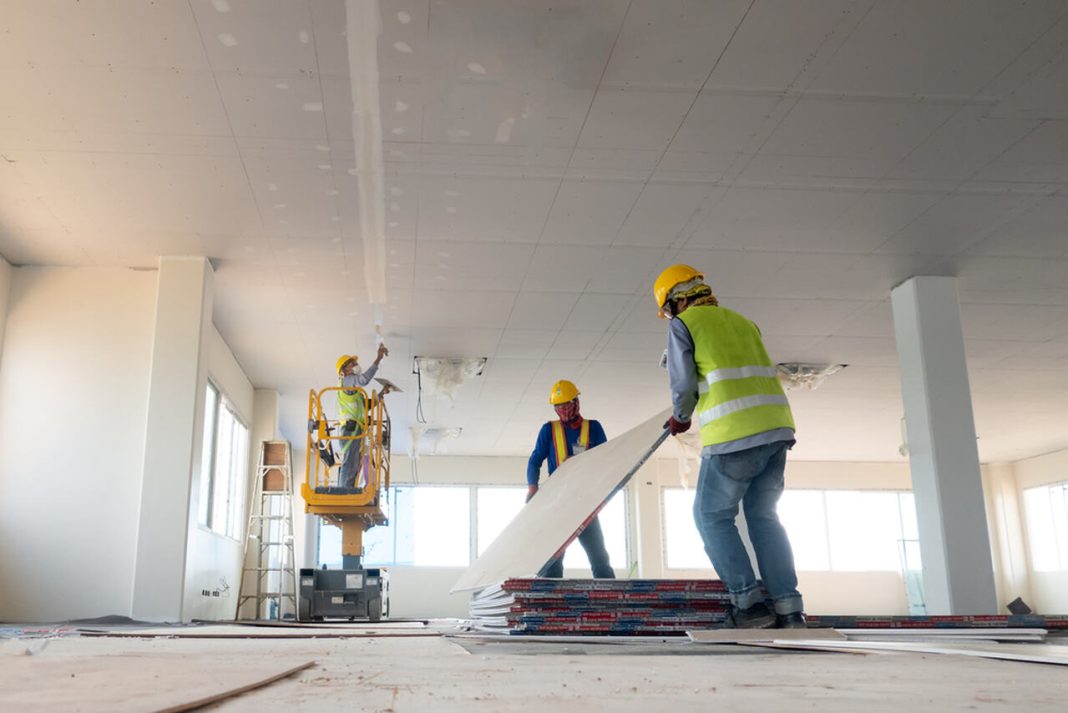
Since the structure is still under construction, contractors work with open framing, exposed utilities, and empty rooms. This allows drywall installers to move efficiently throughout the building without obstacles such as furniture, finished flooring, or existing wall coverings.
The installation process is generally more straightforward because there are fewer limitations.
What Is Remodeling Drywall?
Remodeling drywall involves repairing, replacing, or installing drywall in an existing home or building.
Projects may include room additions, kitchen remodels, basement finishing, wall repairs, or complete interior renovations. Unlike new construction, remodeling requires contractors to work around existing structures, occupied spaces, and finished materials.
Every remodeling project requires careful planning to minimize disruption while protecting the homeowner’s property.
Access to the Work Area
One of the biggest differences between the two types of projects is accessibility.
In new construction, drywall installers have unrestricted access to every room before flooring, cabinetry, lighting, and trim are installed.
During remodeling, contractors often work around furniture, appliances, staircases, finished flooring, and occupied living spaces. Protecting these areas becomes an important part of the project.
Surface Preparation
Preparation varies significantly between new construction and remodeling.
New construction typically begins with clean framing that is ready for drywall installation.
Remodeling projects often require:
- Removing old drywall
- Repairing damaged framing
- Correcting moisture issues
- Replacing insulation
- Updating electrical wiring
- Repairing plumbing access
These additional steps can increase both project complexity and completion time.
Matching Existing Finishes
One challenge unique to remodeling is blending new drywall with existing surfaces.
Contractors must carefully match textures, wall thickness, corner profiles, and finishing techniques so repairs become nearly invisible after painting.
Achieving a seamless appearance requires experience and attention to detail.
Dust and Debris Management
New construction naturally produces dust because the building has not yet been occupied.
In remodeling projects, however, dust control becomes much more important. Contractors use plastic barriers, protective coverings, and specialized cleanup procedures to prevent drywall dust from spreading throughout the home.
Proper containment helps keep living areas clean during construction.
Working Around Existing Systems
Remodeling often requires navigating existing electrical wiring, plumbing, HVAC systems, and structural components.
Unexpected discoveries behind old walls may require adjustments during installation.
New construction generally follows predetermined plans, making installation more predictable.
Project Timeline
Drywall installation in new construction usually progresses according to the overall building schedule.
Since multiple trades coordinate their work, drywall crews often move quickly through large open spaces before finishing begins.
Remodeling timelines can be less predictable because hidden damage, structural repairs, or design changes may arise after demolition.
Flexibility is often necessary during renovation projects.
Cost Differences
New construction drywall installation generally costs less per square foot because contractors work in open, unobstructed spaces with greater efficiency.
Remodeling projects may involve:
- Demolition
- Material disposal
- Surface repairs
- Dust protection
- Texture matching
- Additional labor
These factors often increase the overall project cost.
Material Selection
Both project types use similar drywall products, but remodeling may require specialized materials.
Depending on the existing structure, contractors may recommend:
- Moisture-resistant drywall
- Fire-resistant drywall
- Mold-resistant drywall
- Soundproof drywall
- Impact-resistant drywall
Selecting compatible materials ensures long-lasting performance while matching existing construction.
The Importance of Professional Installation
Regardless of project type, quality installation directly affects the appearance and durability of finished walls.
Accurate measurements, proper fastening, smooth joint finishing, and careful sanding all contribute to walls that remain attractive for years.
Professional workmanship also minimizes future cracking, nail pops, and uneven surfaces.
Remodeling Requires Skilled Repairs
Older homes frequently contain damaged drywall caused by settling, water leaks, accidental impacts, or previous renovations.
Experienced Drywall repair denver co professionals can identify underlying issues, repair damaged sections, and seamlessly blend new drywall with existing finishes. Their expertise helps restore both the appearance and structural integrity of interior walls while preparing them for painting.
Proper repairs often extend the lifespan of the home’s entire wall system.
New Construction Benefits From Expert Installation
New homes deserve drywall installation that provides a strong foundation for every finished room.
Professional Drywall Installation ensures accurate panel placement, properly finished joints, and smooth surfaces ready for paint or decorative finishes. Skilled installers also coordinate efficiently with other construction trades, helping projects remain on schedule while delivering exceptional workmanship.
High-quality installation creates durable walls that enhance both comfort and property value.
Although new construction drywall and remodeling drywall share many similarities, the installation process differs considerably. New construction offers open workspaces and streamlined installation, while remodeling requires careful planning, protection of existing finishes, and the ability to blend new work with older structures.
Understanding these differences allows homeowners to plan more effectively, establish realistic expectations, and appreciate the value of experienced drywall professionals. Whether you’re building a new home or renovating an existing one, investing in quality drywall installation ensures smooth, durable walls that will continue performing beautifully for many years.
