

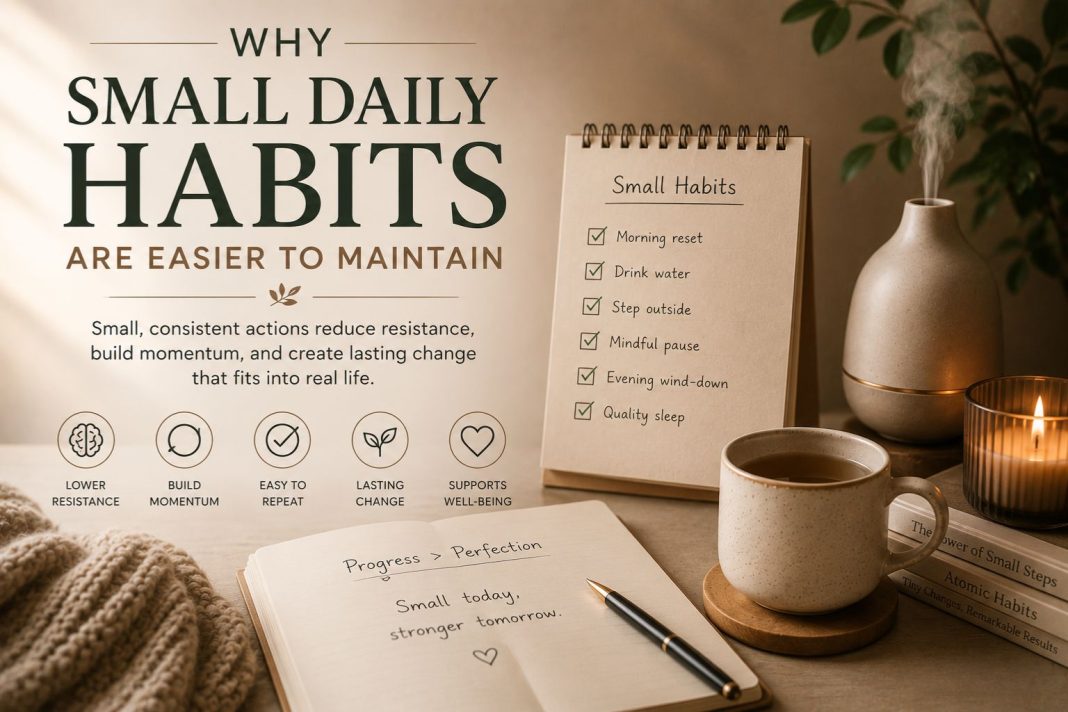
Daily routines are supposed to make life easier, yet they can sometimes become another source of pressure. People create detailed schedules, download productivity apps, set multiple reminders, and build long lists of habits they believe they should follow. Before long, managing the routine becomes almost as demanding as completing the actual tasks.
A better approach is to keep routines simple, flexible, and connected to everyday priorities. The goal is not to control every minute of the day. Instead, a useful routine creates enough structure to reduce unnecessary decisions while leaving room for unexpected events, rest, and personal interests.
Start With the Parts of the Day That Matter Most
Trying to redesign an entire day at once can quickly become overwhelming. It is usually easier to identify two or three periods where additional structure would be genuinely useful.
Morning and evening are natural starting points. A simple morning routine might involve getting ready, eating breakfast, checking the day’s priorities, and leaving enough time to avoid rushing. An evening routine could focus on preparing a few things for tomorrow and creating time to relax before bed.
Lifestyle resources such as Melbwire Melbourne can also provide ideas connected with everyday living, local interests, and changing routines. The important part is choosing ideas that fit naturally into your circumstances rather than copying someone else’s schedule exactly.
Reduce Decisions Before Adding New Habits
One reason routines become complicated is that people focus on adding activities rather than removing unnecessary decisions. Simplification can often make a bigger difference.
Consider the small choices repeated every day. Deciding what to wear, what to prepare for lunch, when to exercise, or what task to tackle first can consume more mental energy than expected. Some of these decisions can be made in advance.
Preparing clothes the night before, planning several meals ahead, keeping frequently used belongings in consistent locations, and identifying tomorrow’s most important task can make mornings noticeably smoother.
A good routine should reduce the number of questions you need to ask yourself throughout the day.
Build Routines Around Existing Habits
New habits are often easier to maintain when they are connected to something you already do consistently. Instead of creating a completely separate activity, attach it to an established part of the day.
For example, you could review your schedule while having morning coffee, take a short walk after lunch, tidy the kitchen immediately after dinner, or prepare tomorrow’s essentials before your usual evening relaxation.
Local resources, including a Sydney local guide, may also help people discover nearby activities, services, recreational spaces, and practical options that can be incorporated into everyday schedules. A routine becomes easier to maintain when it works with your surroundings rather than requiring constant extra effort.
Keep Your Daily Priorities Short
Long task lists can create the illusion of organization while making it difficult to identify what actually matters. A more manageable strategy is to select a small number of priorities.
Choose one important task that should ideally be completed that day, followed by two or three smaller responsibilities. Everything else can remain on a secondary list.
This does not mean ignoring other responsibilities. It simply creates a clearer order. When everything is labeled urgent, people can spend more time deciding what to do than actually doing it.
Keeping priorities limited also makes it easier to recognize progress. Completing three meaningful tasks often feels more productive than finishing eight minor items while leaving the most important responsibility untouched.
Create Small Systems for Repetitive Tasks
Many daily frustrations come from tasks that repeatedly require attention. Household chores, grocery shopping, bills, appointments, emails, and errands can become easier when simple systems are established.
For instance, designate a regular day for grocery planning or household administration. Keep important documents in one consistent location. Create a short recurring shopping list for essentials. Group errands geographically when possible instead of making several separate trips.
Platforms and information sources such as GLID Australia can be useful when exploring broader lifestyle ideas, services, or practical information. However, consuming more information should not become another task on an already crowded schedule. Use resources selectively and focus on information that has a practical purpose.
Leave Empty Space in Your Schedule
A routine does not need to account for every available minute. In fact, tightly scheduled days can become difficult to maintain because normal life rarely follows a perfect timetable.
Traffic takes longer than expected. A meeting runs over. Children need attention. A household task becomes more complicated. Someone calls unexpectedly. Energy levels change.
Leaving small gaps between major activities provides room for these situations without disrupting the entire day.
Unscheduled time also creates opportunities for rest, conversation, hobbies, or simply doing nothing for a while. These periods are not wasted time. They can help prevent everyday schedules from becoming exhausting.
Make Your Environment Support the Routine
Willpower is useful, but the physical environment can make habits easier or harder.
If you want to drink more water, keep a bottle somewhere visible. If mornings are rushed, organize frequently used items near the door. If you want to read regularly, leave a book somewhere you naturally sit. If distractions interfere with focused work, keep unnecessary devices away from the workspace.
Small environmental changes reduce the amount of effort required to follow a routine.
Readers exploring lifestyle information through sources such as Vizz Australia may encounter countless suggestions for improving productivity and everyday living. Rather than adopting everything at once, choose one change that solves an actual problem in your day. Test it for a while before introducing something else.
Review Your Routine Instead of Constantly Rebuilding It
No routine remains perfect forever. Work schedules change, family responsibilities develop, seasons shift, and personal priorities evolve.
Rather than abandoning a routine whenever something changes, review it periodically. Ask which parts are genuinely helpful and which have become unnecessary.
Perhaps a morning activity now takes too long. Maybe an evening task could be moved to the weekend. A system that worked six months ago may no longer match current circumstances.
Removing habits can be just as valuable as creating them.
Focus on Consistency Rather Than Perfection
Missing part of a routine does not mean the routine has failed. Realistic routines should survive imperfect days.
If you miss a morning walk, you do not need to abandon your exercise plans for the week. If the kitchen is not organized one evening, it can be handled tomorrow. Flexibility keeps small disruptions from becoming larger frustrations.
The most useful daily routine is rarely the most detailed one. It is the routine that quietly supports everyday responsibilities without demanding constant attention.
Creating better routines is ultimately about making life simpler. Start with a few meaningful priorities, reduce repeated decisions, build around habits you already have, and leave enough flexibility for real life. When a routine works properly, you should spend less time managing your schedule and more time actually living it.
