

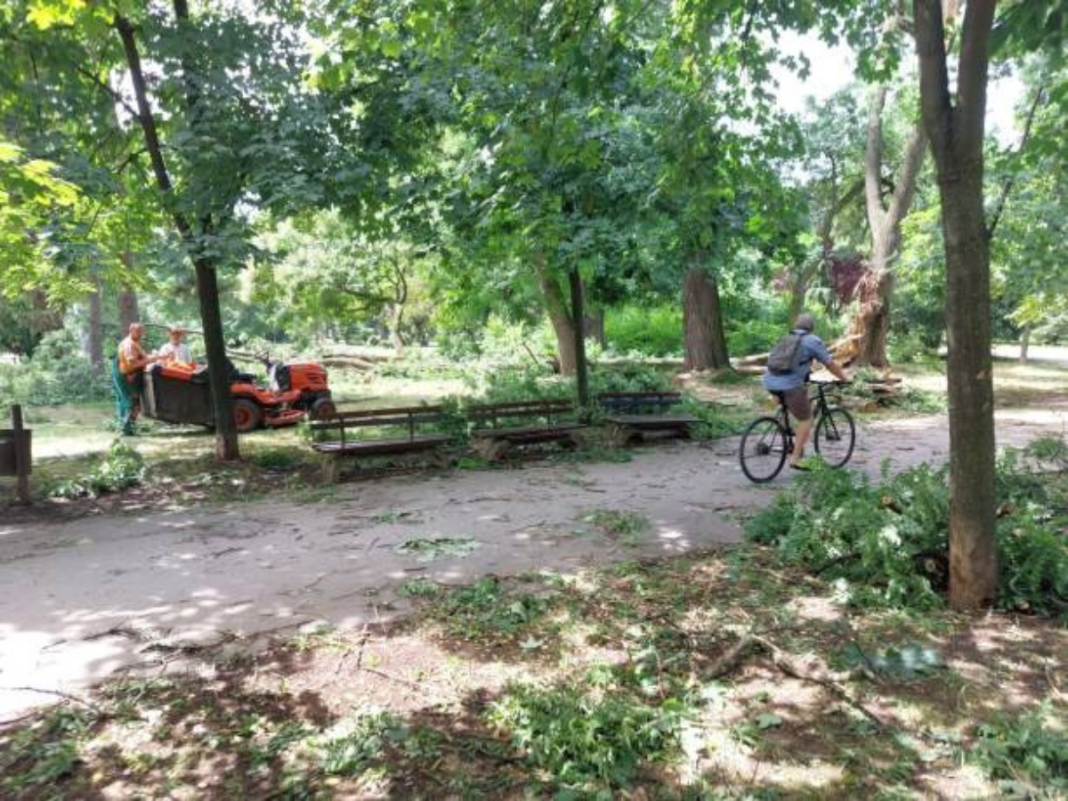
After severe weather, homeowners often face the challenge of damaged trees. Storm damage tree care is not just about aesthetics, it’s a critical step in protecting both your property and the long-term health of your trees. When branches snap, trunks crack, or entire trees topple, leaving the damage unattended can create safety hazards, compromise the landscape, and even endanger nearby structures. Proper evaluation and immediate action make all the difference.
Homeowners should understand that storm damage is often more than meets the eye. Some injuries, like root damage or internal trunk cracks, may not be visible immediately but can cause structural failure over time. Seeking timely guidance from professionals ensures both safety and a strategic recovery plan. Taking proactive measures now reduces costly repairs and helps your trees regain strength faster.
Understanding Storm Damage Tree Care
Trees can suffer a variety of injuries during storms, from broken branches and split trunks to uprooting caused by saturated soil or strong winds. Each type of damage requires a specific approach to recovery. For example, large broken limbs may need to be removed quickly to prevent injury or further harm to the tree, while smaller branch damage may be pruned carefully to support regrowth. Understanding the type and severity of damage is the first step in effective storm damage tree care.
It’s also important to recognize that not every tree can or should be saved after severe damage. Some trees may have internal weaknesses that make them unsafe to keep on your property. A careful assessment, ideally by a certified arborist, can help homeowners determine which trees can recover and which pose ongoing risks. Addressing problems early reduces the likelihood of accidents, further property damage, and long-term health decline in surviving trees.
Steps for Effective Recovery
Effective storm damage tree care starts with a careful cleanup. Begin by removing branches and debris that pose immediate hazards, such as those lying across walkways or leaning dangerously on structures. Cleaning up efficiently helps prevent injuries and makes it easier to assess the full extent of the damage. Once hazardous debris is cleared, homeowners can consider supplemental care like watering, mulching, and fertilizing to support stressed trees. These measures provide essential nutrients and reduce additional stress caused by environmental conditions.
In more severe cases, stabilization techniques such as cabling or bracing may be necessary. These methods help weakened trees withstand future storms while promoting healthy regrowth. Attempting advanced recovery techniques without proper knowledge can create hazards, so it’s best to rely on professionals for these tasks. Consulting certified arborists ensures that trees are treated safely and effectively, balancing immediate safety with long-term recovery.
When to Call a Professional
While minor branch cleanup can often be handled by homeowners, certain situations demand professional attention. Trees that are large, leaning, or near power lines can present serious risks if not handled correctly. Additionally, structural damage to trunks or roots often requires specialized equipment and expertise to mitigate hazards. Professional arborists assess risk, determine the safest removal or pruning methods, and handle debris in a way that protects both the property and surrounding landscape.
Hiring an expert also ensures that storm-damaged trees have the best chance of recovery. Professionals can identify subtle injuries, such as cracks or internal rot, that may be invisible to the untrained eye. PLP Tree Service Redmond, located at 8825 34th Ave NE Ste 325, Marysville, WA 98271, offers reliable storm damage tree care services tailored to the unique challenges of Washington’s weather. Their team combines safety protocols with proven recovery strategies to restore both the health of your trees and the safety of your property.
Long-Term Tree Health After Storms
Storm damage is just the beginning of a tree’s recovery journey. Long-term tree health requires ongoing monitoring and maintenance. Regular inspections allow homeowners to identify new stress signs, such as wilting leaves, unusual growth patterns, or bark damage. Mulching and watering help replenish lost nutrients, while careful pruning encourages structural integrity and reduces the risk of future breakage.
It’s also essential to understand the specific needs of different tree species. Some species respond well to pruning and fertilization, while others may require more protective measures. By tailoring care to the biology of each tree, homeowners can ensure a stronger, healthier landscape that withstands storms more effectively. Combining preventive care with post-storm recovery strategies creates a proactive approach to tree health that extends the life and beauty of your property.
Technical Tree Removal for Safety and Recovery
In some cases, storm damage is so severe that trees become hazardous and cannot recover naturally. Technical tree removal is a specialized service that ensures dangerous or compromised trees are safely dismantled without endangering property, people, or surrounding vegetation. Unlike standard removal, technical tree removal often involves advanced rigging, cranes, or sectional dismantling techniques, which are essential for trees located in tight spaces, near power lines, or close to structures.
Relying on professional arborists for technical tree removal not only eliminates immediate safety risks but also supports the overall recovery of your landscape. Proper removal prevents secondary damage, such as soil erosion or injury to nearby plants, and creates space for healthy trees to thrive. PLP Tree Service Redmond provides expert technical tree removal services as part of comprehensive storm damage tree care, combining safety protocols with precision techniques to protect your home and preserve the beauty of your property.
Conclusion
Storm damage tree care is more than simple cleanup, it’s a critical investment in safety, property value, and tree longevity. Immediate action, careful assessment, and expert guidance help trees recover efficiently while minimizing risk to your home. By understanding the steps involved in recovery and seeking professional support when needed, homeowners can preserve the health and stability of their landscape even after severe weather events.
For further guidance on protecting and restoring trees after storms, consult the International Society of Arboriculture for science-based tips and recommendations. Taking proactive measures today ensures that your trees remain strong, healthy, and resilient for years to come.
PLP Tree Service Redmond
8825 34th ave ne Ste 325 Marysville wa 98271
Phone: 425-549-9487
Website: www.pacificlandpreservation.com
