

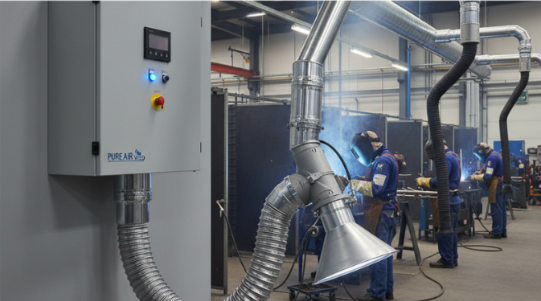
Ensuring the safety of a workshop environment is a continuous responsibility that directly impacts productivity and worker health. Over time, even the most robust equipment begins to wear down, and understanding when to upgrade is crucial for maintaining optimal air quality. If you notice lingering haze or persistent odors despite running your system, it might be a clear signal that your current welding air filter is no longer operating at peak efficiency. Addressing these issues promptly helps prevent long-term respiratory risks for your team.
Recognizing Performance Decline
Air filtration units do not fail overnight; they usually show subtle signs of distress before a complete breakdown occurs. Recognizing these early warning signals allows facility managers to schedule professional maintenance or replacements proactively.
Visible Haze and Decreased Clarity
One of the most obvious indicators of a failing system is a change in the shop’s visible air quality. When extraction units are working correctly, they should remove smoke and particulate matter almost immediately. If a blue haze hangs in the air hours after work has ceased, the filtration media is likely saturated, or the motor is losing suction power.
High-quality filtration is essential because the fume extraction system is important, extending far beyond simple visibility; it is about capturing microscopic particles that can damage lungs. When the ambient air remains cloudy, professional assessment is necessary to determine if a simple filter change will suffice or if the entire unit has reached the end of its lifecycle.
Persistent Odors
While welding naturally produces distinct smells, a functional filtration system should neutralize or significantly reduce them. If the sharp, metallic smell of ozone or burning metal persists long after the arc is extinguished, the carbon filters or particulate arrestors are no longer doing their job effectively. This is often a sign that the system is bypassing the filtration stage due to leaks or saturation.
Physical Signs of System Failure
Beyond the air quality itself, the physical unit will often exhibit symptoms of age and overuse. Ignoring these mechanical warning signs can lead to costlier repairs or sudden operational downtime.
Increased Noise Levels
Modern extraction systems are designed to run relatively quietly. A sudden increase in noise, whether it is rattling, grinding, or a high-pitched whine, suggests internal mechanical failure. This could be due to unbalanced fans, worn bearings, or airflow restrictions caused by clogged filters.
When the motor has to work harder to push air through a blocked system, it generates excess noise and heat. Professional technicians can diagnose whether the noise stems from a replaceable component or if the entire assembly requires an upgrade to meet current safety standards.
Rising Energy Costs
Inefficiency often hits the budget before it hits the production line. If your energy bills are creeping up without a corresponding increase in production hours, your filtration systems might be the culprit. Old or clogged systems draw significantly more power to maintain airflow. Upgrading to newer, energy-efficient models can reduce operational costs while improving capture rates.
The Importance of Professional Assessment
Relying on outdated equipment puts compliance and health at risk. When these signs appear, it is time to bring in experts who specialize in industrial air quality.
Expert Audits and Upgrades
Determining the right replacement requires more than just swapping out a box. Professional service providers can conduct air quality audits to measure particulate levels and recommend systems tailored to your specific workflow. They ensure that the new installation meets all regulatory standards and is sized correctly for your facility’s volume.
Trusting certified technicians ensures a seamless installation and a new system calibrated for maximum capture efficiency. This professional approach guarantees longevity and reliability that quick fixes cannot.
Conclusion
Maintaining a safe welding environment requires vigilance regarding the condition of your air quality equipment. By paying attention to visibility issues, persistent odors, strange noises, and rising energy costs, you can identify the right moment to invest in new technology. Prioritizing timely upgrades ensures a healthier workspace and uninterrupted productivity for the entire team.
