

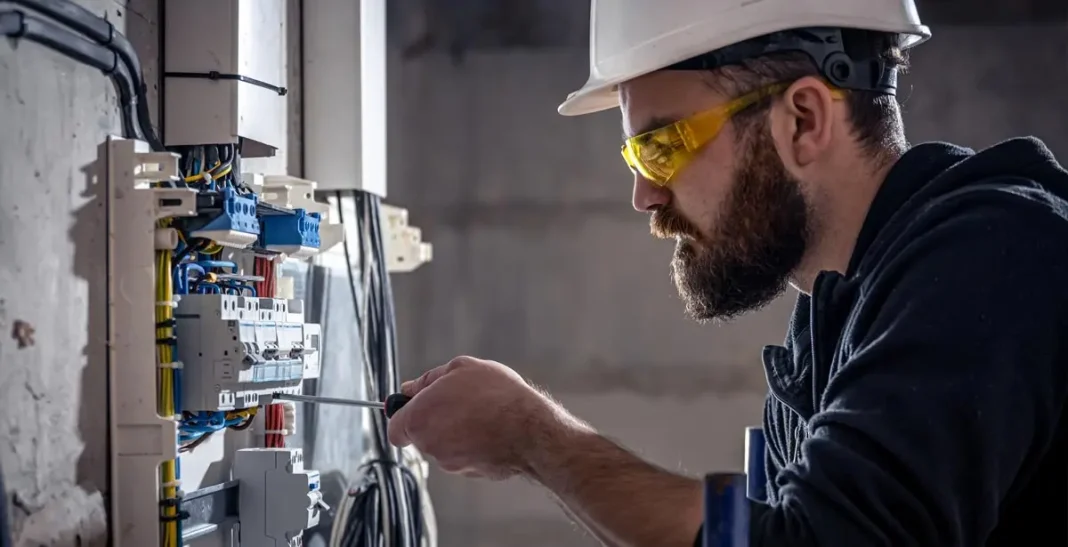
Choosing a qualified Electrician Wandsworth residents can rely on is an important step towards maintaining a safe and functional property. From resolving faulty lighting and damaged sockets to upgrading consumer units and arranging electrical inspections, professional electrical services help homeowners, landlords, and businesses keep their installations in good condition.
Wandsworth, in South West London, has a varied property landscape, including period houses, converted flats, modern developments, rental properties, and commercial premises. Each type of building can have different electrical requirements, particularly when older installations need to accommodate modern appliances, home offices, electric vehicle chargers, and energy-efficient lighting.
Understanding when to seek professional assistance, what electrical services are available, and how to choose a suitable contractor can help property owners make informed decisions and plan maintenance with confidence.
1. Why Professional Electrical Services Matter in Wandsworth
Electrical systems are central to everyday life. Lighting, heating controls, kitchen appliances, computers, and security systems all depend on reliable electrical installations. When a fault develops, it can disrupt daily routines and may create a safety risk if left unresolved.
Professional electricians can investigate problems, carry out appropriate testing, and identify the underlying cause before recommending repairs. This is particularly valuable in older properties around Wandsworth Town and neighbouring residential streets, where wiring and electrical accessories may have been modified over time.
A professional assessment can help determine whether a problem involves an individual appliance, a circuit, a protective device, or the wider installation. It can also identify improvements that may be appropriate when a property is renovated or its electrical demands increase.
Rather than relying on temporary fixes, property owners benefit from work that is properly assessed, safely completed, and documented where required.
2. Common Electrical Problems That Need Attention
Electrical problems can appear gradually or develop suddenly. Recognising warning signs early can help prevent further damage and reduce the likelihood of unexpected interruptions.
Common issues in residential and commercial properties include:
- Circuit breakers that repeatedly trip: This may indicate an overloaded circuit, a faulty appliance, or an electrical fault requiring investigation.
- Flickering or dimming lights: Loose connections, defective components, or circuit problems may be responsible.
- Damaged sockets and switches: Cracked fittings, loose accessories, and unusual heat should be taken seriously.
- Intermittent power loss: Repeated loss of electricity to part of a property may require professional fault-finding.
- Buzzing sounds or burning smells: These can indicate a potentially dangerous electrical problem and should not be ignored.
- Outdated electrical installations: Older wiring or consumer units may need assessment to determine whether improvements are necessary.
If an electrical accessory becomes hot, sparks, or produces a burning smell, stop using it and keep people away. Isolate the affected circuit only if it is safe to do so. Never open electrical fittings or attempt repairs on potentially live equipment. If there is smoke or a fire, move to safety and contact the emergency services.
3. Electrical Inspections and EICR Reports
An Electrical Installation Condition Report, commonly known as an EICR, provides an assessment of the condition of a property’s fixed electrical installation. It can identify deterioration, damage, potentially dangerous defects, and areas requiring further investigation or remedial work.
An inspection may cover the consumer unit, accessible wiring, sockets, switches, lighting circuits, earthing, bonding, and protective devices. The electrician performs relevant tests and records the findings in a formal report.
EICRs can be useful when purchasing an older home, planning a major renovation, or checking an installation that has not been inspected for some time. They are also important for landlords who must meet applicable electrical safety requirements.
In England, landlords generally need to have the electrical installations in rented properties inspected and tested by a qualified person at least every five years, subject to the applicable regulations and circumstances. The relevant report must also be provided to tenants as required. Further information is available in the official electrical safety guidance for landlords.
A report should be explained clearly so the property owner understands any observations, their significance, and the recommended next steps. Keeping inspection reports and certificates organised also makes future maintenance easier.
4. Consumer Unit Upgrades and Electrical Safety
The consumer unit, often called the fuse board, distributes electricity to the different circuits throughout a property. It contains protective devices designed to help reduce risks associated with electrical faults and overcurrent.
An upgrade may be appropriate if the existing unit is damaged, has limited capacity for new circuits, lacks suitable protection, or is identified as needing improvement during an inspection.
Depending on the installation, modern protective arrangements may include residual current devices (RCDs), residual current circuit breakers with overcurrent protection (RCBOs), and surge protection where appropriate.
Before recommending an upgrade, a qualified electrician should consider the condition of the existing wiring, earthing arrangements, circuit requirements, and anticipated electrical demand.
Replacing the consumer unit alone does not necessarily resolve faults elsewhere in the installation. Testing and any necessary remedial work are important parts of ensuring that the system is suitable for continued use.
After the work, property owners should ask which electrical certificates or other compliance documents apply and ensure they receive the relevant records.
5. Lighting, Socket Installations, and Energy Efficiency
Well-planned electrical improvements can make a home or workplace more practical, comfortable, and efficient. Small changes, such as adding correctly positioned sockets or improving lighting, can have a noticeable effect on how a space is used.
Common electrical upgrades include:
- Installing additional sockets for home offices and entertainment equipment.
- Replacing worn switches, sockets, and lighting accessories.
- Updating kitchen lighting to improve visibility.
- Installing suitable outdoor and security lighting.
- Adding compatible dimmer switches, timers, and smart controls.
- Improving bathroom ventilation through suitable extractor fan installations.
LED lighting is another option worth considering. Suitable LED lamps generally consume less electricity than traditional incandescent lamps while offering a long operating life. Actual savings depend on the equipment selected and how frequently the lighting is used.
Electrical work in bathrooms, kitchens, gardens, and other damp locations requires particular care. The equipment, circuit protection, and installation method must be suitable for the environment and comply with applicable requirements.
Discussing the intended use of each space before work begins helps ensure that the finished installation is convenient and appropriate for the property’s needs.
6. Electrical Services for Landlords and Local Businesses
Wandsworth has a mix of private rental homes, apartment buildings, independent shops, offices, and other commercial premises. Each setting has different electrical maintenance priorities.
Landlords need to manage electrical safety responsibly, maintain suitable records, and arrange inspections and remedial work where required. Letting agents may also need to coordinate access between tenants, property owners, and contractors.
For businesses, electrical reliability can affect staff productivity, customer experience, and day-to-day operations. Faulty lighting, damaged sockets, or unreliable circuits can interrupt work and create avoidable inconvenience.
Depending on the premises, electrical services may include:
- Periodic electrical inspections and EICR reports.
- Fault diagnosis and repairs.
- Lighting and emergency lighting installations or maintenance.
- Consumer unit replacements.
- Additional circuits and socket installations.
- Electrical improvements during office or retail refurbishments.
Business owners should discuss the nature of their premises and the work required before requesting a quotation. A clear scope of work, realistic timescales, and suitable documentation help everyone understand what will be delivered.
7. Choosing a Qualified Electrician in Wandsworth
Selecting an electrician involves more than comparing prices. The contractor should have the relevant skills, experience, and professional approach for the work being considered.
Before arranging a visit, property owners can check several important points.
Qualifications and professional registration
Ask about the electrician’s qualifications and relevant experience. Where applicable, verify registration with a recognised electrical competent person scheme or certification body. Registration and scheme membership should be checked directly rather than assumed from advertising claims.
Written quotations and clear communication
A quotation should explain the work included, expected materials, labour charges, exclusions, and how additional work will be handled if an unexpected fault is discovered. Ask questions if anything is unclear.
Testing, certification, and insurance
Confirm what testing will be carried out and which certificates, reports, or Building Regulations notifications are required for the specific job. It is also sensible to check that the contractor has appropriate insurance.
Relevant local experience
An electrician familiar with the range of properties in Wandsworth may be well placed to discuss practical considerations associated with period homes, converted flats, modern apartments, and commercial spaces.
For those researching local services, Electrician Wandsworth is a relevant starting point for exploring electrical service options and discussing a property’s requirements.
Taking time to check these details can help homeowners, landlords, and businesses choose a contractor on the basis of suitability, communication, and workmanship rather than price alone.
8. Planning Electrical Improvements for Future Needs
Electrical requirements can change as a household grows, a business expands, or a property is renovated. A kitchen refurbishment, loft conversion, home office, or garden room may require changes to existing circuits and electrical accessories.
Planning electrical work early helps ensure that sockets, lighting, switches, and appliance connections are positioned sensibly before decorating or construction is completed.
Property owners may also want to discuss electric vehicle charging, smart heating controls, solar photovoltaic systems, or battery storage. These technologies can require specific assessments of electrical capacity, protective devices, and installation conditions.
A qualified electrician can review the existing system and explain which improvements are feasible. The right approach depends on the property’s wiring, supply arrangements, intended equipment, and applicable technical requirements.
Keeping a record of completed work, inspection reports, and certificates can also help with future repairs, upgrades, and property transactions. A planned maintenance approach is often more manageable than waiting until a fault interrupts normal use.
Conclusion
Reliable electrical installations are essential for the safety and everyday operation of homes and businesses throughout Wandsworth, London. From resolving faulty sockets and improving lighting to arranging EICR inspections and upgrading consumer units, professional electrical services help property owners maintain their installations and respond to changing needs.
Recognising warning signs, arranging appropriate inspections, and checking an electrician’s qualifications and documentation are practical ways to make informed decisions. For landlords, keeping up with applicable electrical safety responsibilities is particularly important.
Whether planning a renovation or dealing with an unexpected electrical issue, taking a careful, safety-focused approach can help protect occupants, reduce avoidable disruption, and support the long-term condition of the property.
