

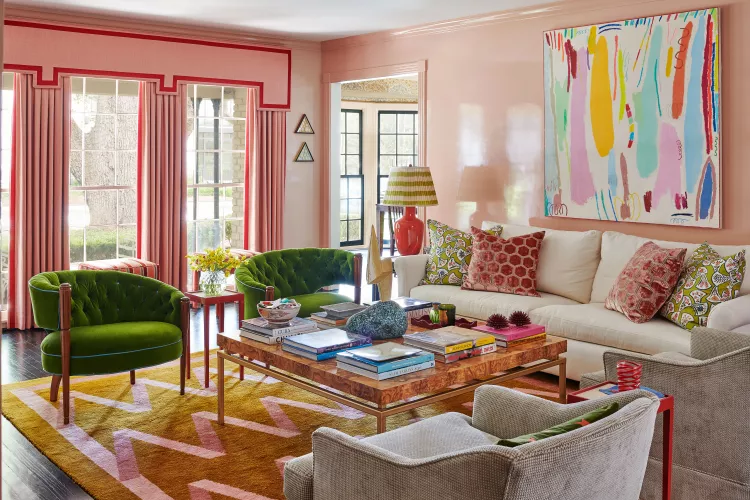
An interior cornice can give the transition between wall and ceiling more depth without making a room feel formal or overloaded. The key is controlling projection, profile, and repetition. Well-chosen interior cornice ideas create a finished architectural edge while allowing furniture, artwork, and natural light to remain more visually important.
What a Cornice Actually Adds
Cornices create shadow where the wall meets the ceiling. That shadow line makes the room feel more defined and can soften an otherwise abrupt transition.
In older or traditionally influenced interiors, cornices may also help connect tall skirting boards, paneled doors, and other millwork. In simpler homes, a restrained profile can provide the same sense of completion without introducing elaborate decoration.
Let Ceiling Height Set the Scale
A large projecting cornice can feel balanced in a tall room but compressed in a room with a low ceiling. Smaller profiles usually work better when vertical space is limited.
Keep the Profile Calm and Purposeful
Classic detailing doesn’t require layers of scrollwork. A cove, stepped profile, or shallow ogee can produce enough shadow to give the ceiling line character.
When comparing interior detailing ideas with your own space, focus on the relationship between molding depth and ceiling height rather than copying a profile simply because it looks attractive in another room.
Repeating a simple cornice through connected rooms can also create continuity. The architecture feels consistent without every space needing additional decorative trim.
Choose Materials for the Room
Traditional plaster provides crisp detail and can suit restoration work, while timber and modern lightweight moldings can be easier to install in many residential projects.
People reviewing traditional interior detail ideas may notice that material matters less visually than clean joints and appropriate scale. A modest profile installed well often looks more convincing than a complicated design with visible seams.
| Cornice Approach | Best Effect | Possible Drawback |
|---|---|---|
| Simple cove | Soft ceiling transition | Can appear plain in ornate rooms |
| Stepped profile | Crisp architectural shadow | Needs accurate corner cuts |
| Decorative molding | Strong period character | Can dominate low ceilings |
| Tone-on-tone finish | Quiet traditional detail | Subtle in low-contrast rooms |
Use Paint and Lighting to Control Its Presence
Painting the cornice the same color as the ceiling keeps the upper edge light and familiar. Painting it with the walls creates a wrapped effect that can make taller rooms feel more intimate.
A slight tonal shift can reveal detail without creating a hard stripe around the room. Looking at architectural trim references can also help when considering how repeated lines and proportions contribute to a building’s overall character.
Lighting matters too. Wall washers and ceiling lights can exaggerate projections, so inspect samples under the actual evening lighting before committing to a deep profile.
Where Classic Detail Becomes Too Heavy
A cornice can lose its elegance when combined with too many competing features. Ornate ceiling roses, paneled walls, patterned wallpaper, decorative door headers, and elaborate cornices may each work individually but become overwhelming together.
Scale mismatch creates another problem. A profile designed for a high-ceilinged period room may look oversized in a compact modern bedroom.
Don’t assume larger molding automatically creates more character. Often the opposite is true. A restrained cornice gives the eye enough architectural information while leaving breathing room around the ceiling.
Frequently Asked Questions
Can cornices work in contemporary interiors?
Yes. Choose a plain cove, stepped edge, or sharply defined profile rather than ornate classical molding. Keeping the wall and cornice colors close can make the detail feel architectural rather than decorative.
Should every room use the same cornice?
Not necessarily. Connected public areas can share a profile for continuity, while bedrooms or utility spaces may use simpler versions. Keeping related proportions is usually more important than making every room identical.
Can a cornice make a low ceiling look lower?
A deep or strongly contrasting cornice can visually reduce wall height. Shallower profiles, lighter finishes, and minimal projection usually preserve more visual openness in rooms with limited ceiling height.
Give the Ceiling Edge Enough Detail
Interior cornice ideas work best when the molding supports the room rather than announcing itself first. Choose scale before decoration, test the profile against the actual ceiling height, and consider how artificial light changes its shadows. A carefully restrained cornice can bring classic architectural character into a room without making the interior feel heavy.
